
Recommended News
Hot News
Fill in your information
FRP Insulated Ladders for Electricians, Substations, and Industrial Maintenance
For electrical work, ladder material is not a minor detail. It is part of risk control. JINPOWER FRP insulated ladders use non-conductive fiberglass side rails to support safer access in environments where electricians, substation crews, and industrial maintenance teams work near exposed electrical equipment. The range includes step ladders, extension ladders, telescopic ladders, articulating ladders, suspension ladders, and fixed climbing ladders for different access conditions.
These fiberglass ladders for electrical work are built for customers who need a practical combination of electrical insulation positioning, structural stability, outdoor durability, and project-ready documentation. OEM customization, batch records, and model-specific configuration support are available for utilities, contractors, and distributors.
Need the right ladder for electrical work?
Send your working height, access type, and application environment. JINPOWER can recommend the right FRP insulated ladder configuration and provide the corresponding technical documents for review.


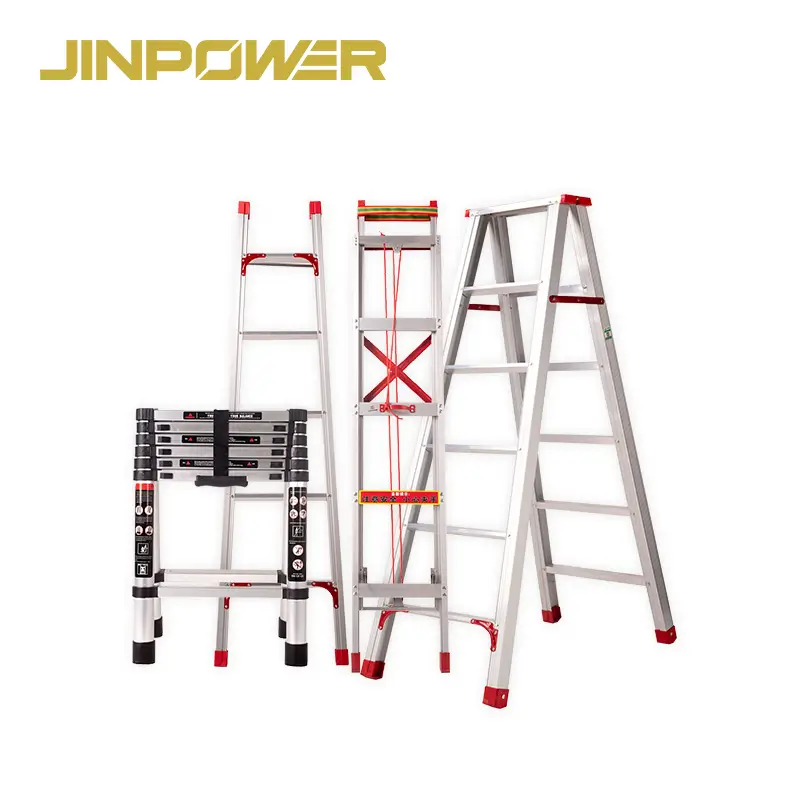
What Type of Ladder Is Best for Electrical Work?
The best ladder for electrical work depends on task height, working posture, available floor space, and whether the job is in a substation, switchgear room, industrial plant, or field utility environment.
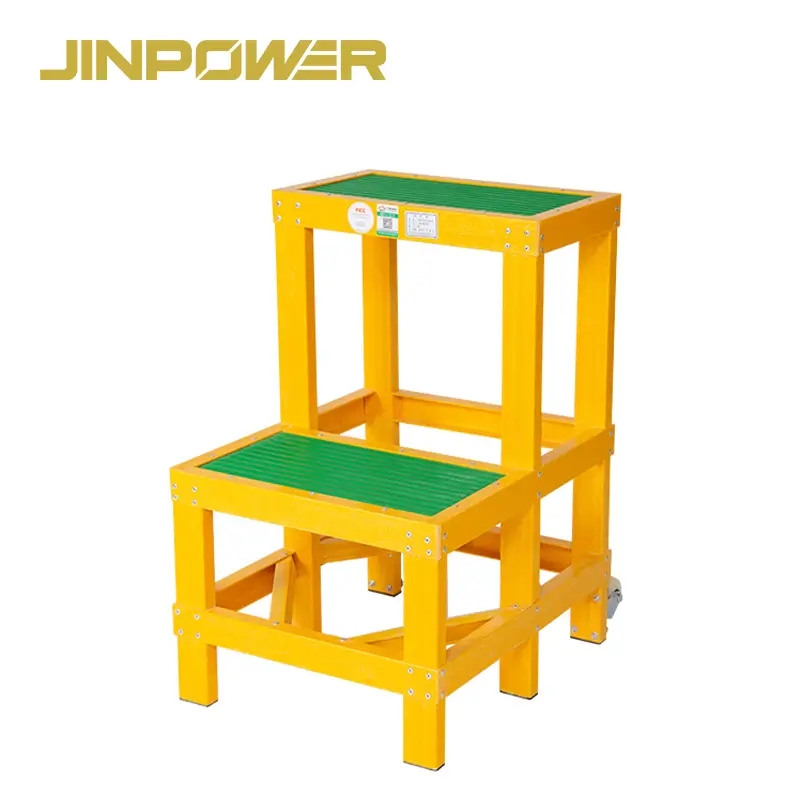
Choose a Step or Platform Ladder
A step ladder or platform ladder is usually the best choice for panel work, switchgear front access, and maintenance tasks where the operator needs a stable standing position and frequent hand use.
Choose an Extension Ladder
An extension fiberglass ladder is more suitable when the task requires vertical reach, such as access to gantries, elevated structures, or outdoor equipment where a self-supporting frame is not practical.
Choose a Telescopic Ladder
A telescopic fiberglass ladder is the better option when crews need compact transport, vehicle storage, and quick deployment in narrow corridors or multi-stop service routes.
Choose a Multi-Position / Articulating Ladder
A multi-position ladder is useful when one jobsite includes several access conditions and the crew needs a ladder that can shift between A-frame, straight, and supported positions.
Choose a Suspension or Hanging Ladder
A suspension ladder is used when access depends on hook-on support or a hanging work position rather than ground-based footing.
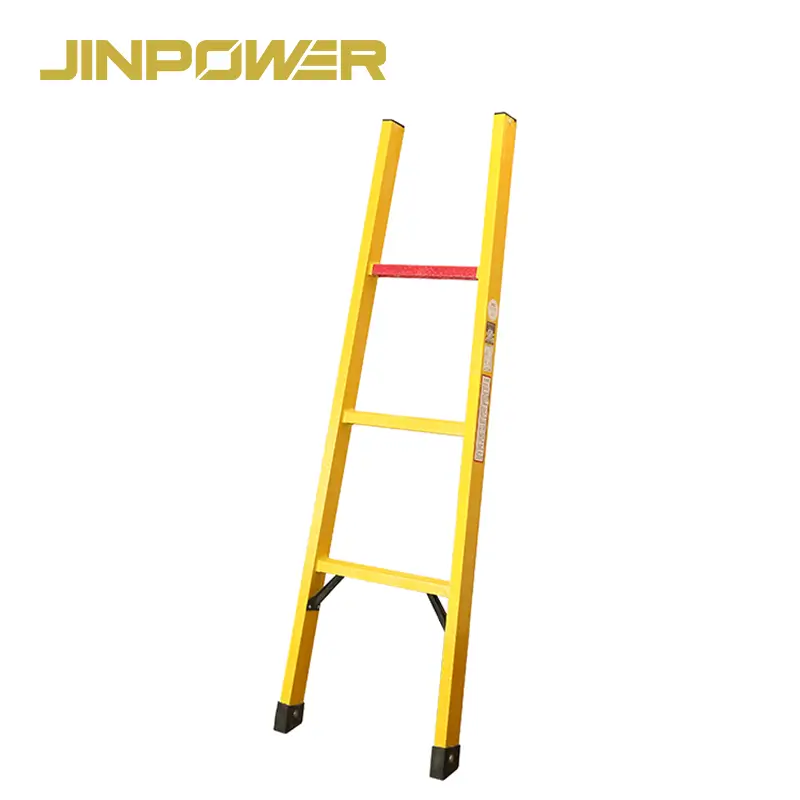
Choose a Fixed / Climbing Ladder
A fixed FRP ladder is suitable for permanent access at substations, plant rooms, and industrial facilities where corrosion resistance and low maintenance are important.
Browse by Insulated Ladder Type
Electrician Step Ladder
Stable A-frame access for panel work, switchgear inspection, and indoor electrical maintenance. Common options include platform top, tool tray, and anti-slip feet.
Fiberglass Extension Ladder
Vertical access for higher working points such as bus structures, gantries, and elevated equipment zones where wall-supported or leaned access is required.
Telescopic Fiberglass Ladder
Compact collapsible design for service vehicles, tight spaces, and frequent repositioning. A practical choice when storage length matters.
Multi-Position / Articulating Ladder
One ladder for several postures, including straight, A-frame, and trestle setup. Useful for mixed maintenance routes.
Suspension / Hanging Ladder
Designed for locations where hook-on access or suspended positioning is required.
Fixed / Climbing Ladder
Permanent FRP ladder for substations, plant rooms, and industrial access points where corrosion resistance and long-term outdoor durability are important.
Why FRP / Fiberglass Matters for Electrical Work
For any ladder for electrical work, material choice directly affects risk control. FRP (fiberglass) rails are preferred because they are non-conductive, corrosion-resistant, and better suited to many electrical maintenance environments than conductive metal ladder rails.
Why Buyers Choose FRP
- Electrical insulation positioning for work near exposed electrical equipment
- Resistance to moisture, oil, and many industrial contaminants
- Dimensional stability for daily industrial use
- Lower long-term maintenance pressure than many traditional materials
- Suitability for utilities, substations, switchgear rooms, and industrial MRO
Important Use Boundary
A fiberglass ladder should only be used as intended when the rails are clean, dry, and undamaged. Electrical safe work still depends on correct site procedure, pre-use inspection, and proper ladder selection for the task.
Product Family Overview
| Model Series | Ladder Type | Typical Working Height / Length | Folded / Collapsed Length | Rated Load | Best Use Case |
|---|---|---|---|---|---|
| JN-JYHT | Fiberglass Step Ladder | Up to 6 m | — | 150 kg | Panel work, switchgear rooms, indoor electrical maintenance |
| JN-SJDT | Fiberglass Extension / Straight Ladder | 3–12 m | — | 150 kg | Vertical access, gantries, outdoor utility work |
| JN-YGT | Telescopic Fiberglass Ladder | 2.0 / 2.5 / 3.0 / 3.5 / 3.8 / 4.0 m | 0.60–0.90 m | 150 kg | Vehicle carry, narrow spaces, fast deployment |
| JN-GT | Articulated / Multi-Position Ladder | 1–6 m | Folding | ≤150 kg | Mixed maintenance routes and variable work posture |
| JN-SIHT | Combination A-frame / Extension Ladder | 3–12 m | — | 150 kg | Jobs needing both self-support and vertical reach |
| JN-SIDTG / JN-XGT | Suspension / Hanging Ladder | 2–12 m / 2–6 m | — | ≤150 kg | Hook-on or suspended access conditions |
| JN-PT | Fixed / Climbing Ladder | ≥2.5 m | — | By installation design | Permanent plant and substation access |
Typical Specification Notes
- Material: FRP / fiberglass non-conductive rails
- Rated load for portable models: 150 kg
- Finish: Standard yellow, with custom colors available
- Feet / accessories: Anti-slip feet, swivel feet, ground spurs, tool trays, platform tops, depending on model
- Identification: Serialized QR/barcode labels, multi-language compliance labels
- Packaging: Export-grade packing with bulk shipment support
Standards, Compliance, and Documentation Support
Electrical work requires evidence, not assumptions. JINPOWER FRP insulated ladders are discussed with reference to IEC / EN 61478 requirements for ladders of insulating material, together with internal batch-level verification and shipment documentation.
Typical document support may include:
- Certificate of Conformity (COC)
- Batch inspection records
- Dielectric test summary
- Mechanical verification summary
- User and maintenance guide
- Visual / structural inspection checklist
- Model identification and traceability support
This helps utilities, contractors, and industrial buyers handle project approval, depot inspection, and repeat procurement more efficiently.
Typical Applications
Substations and Switchgear Rooms
Use step ladders, platform ladders, or compact combination ladders when stable access is needed in front of panels, cabinets, and indoor electrical equipment.
Industrial Electrical Maintenance
Use extension ladders or articulating ladders where access points vary and the crew moves across production areas, MCC rooms, or plant utility zones.
Rail and Transit Maintenance
Use fiberglass ladders for electrical work where insulation positioning, compact movement, and weather resistance are required in rail-side or service access conditions.
Wind, Energy, and Outdoor Utility Sites
Use extension, fixed, or suspension ladders for higher access points, outdoor structures, and equipment that demand corrosion resistance and long-term weather performance.
OEM Service Crews and Public Facilities
Use telescopic fiberglass ladders or multi-position ladders where transport size, quick deployment, and repeated service routing matter.
OEM / Customization Support
Different electrical teams do not always use the same ladder configuration. JINPOWER supports project-based customization for buyers who need more than standard stock models.
Available options may include:
- Custom working height / length
- Platform or step configuration
- Feet selection such as anti-slip, swivel, or outdoor ground options
- Custom rail color
- Warning labels and multi-language compliance labels
- Serialized QR / barcode identification
- Private packaging
- Bulk shipment planning
This helps distributors, contractors, and utility buyers standardize insulated ladder supply across multiple depots and projects.
Frequently Asked Questions
What type of ladder is best for electrical work?
The best ladder depends on the task. Step or platform ladders are best for panel and switchgear access. Extension ladders are better for higher reach. Telescopic ladders are better for compact transport and narrow spaces. Articulating ladders are useful when one site requires multiple working positions.
Why is a fiberglass ladder preferred for electrical work?
A fiberglass ladder for electrical work is preferred because FRP side rails are non-conductive when kept clean, dry, and undamaged, making them more suitable than conductive metal rails in electrical environments.
Are these insulated ladders suitable for humid or dirty environments?
They are suitable for industrial and outdoor use, but fiberglass rails should be kept clean, dry, and inspected regularly to maintain appropriate safe-use conditions.
Do you offer heavy-duty or project-specific configurations?
Yes. Model selection, dimensions, accessories, and identification options can be discussed according to the application.
Can JINPOWER provide custom colors and branding?
Yes. Custom colors, labels, serial tracking, and OEM packaging are available.
Request the Right FRP Ladder for Electrical Work
If you are sourcing an insulated ladder for electrical work, FRP ladder for electrical work, or insulated fiberglass ladder for substations, switchgear rooms, industrial electrical maintenance, or field utility access, contact JINPOWER with your required height, ladder type, and application environment. Technical communication, customization, and bulk quotation support are available for project and distribution needs.




 Hrvatski
 Čeština
 Dansk
Dansk Nederlands
 Filipino
 Français
 Deutsch
 Italiano
 日本語
日本語 Қазақ тілі
 ភាសាខ្មែរ
 한국어
한국어 Кыргызча
 ພາສາລາວ
 Монгол
 فارسی
فارسی Polski
 Português
 Română
 Русский
 Slovenščina
 Español
 Kiswahili
 ไทย
ไทย Українська
 Tiếng Việt
 English