
Recommended News
Hot News
Fill in your information
Electrical PPE & Live-Line Safety Gear
Protect energized work with a single, reliable source for electrical PPE. JINPOWER manufactures and supplies electrical personal protective equipment for utilities, EPC contractors, and industrial maintenance teams—gloves (Class 00–4), dielectric boots and electrical safety helmets, sleeves, electrical ppe clothing (CAT 2/4), and live line tools. Built for audited environments, our portfolio aligns with ASTM/IEC/EN/NFPA frameworks and scales with OEM/ODM programs for multi-site deployments.
Why JINPOWER for PPE for electrical work
- Complete coverage: Shock protection, high voltage PPE, fall protection add-ons, and insulated tools for electricians (VDE/IEC 60900).
- Standards & traceability: Batch test records, CoC, serialized labeling—ready for compliance files.
- Fit for the field: Durable materials, comfortable wear systems, and kits configured by task.
- OEM & wholesale: Private label, packaging, and documentation tailored for global buyers.
A single catalog that closes gaps between electrical safety PPE, live line tools, and site procedures—so crews can work faster without compromising control.



Electrical PPE Category – What We Supply
Built around real field tasks for utilities, contractors, and plant ops, JINPOWER delivers a configurable portfolio with OEM/ODM and fleet roll-out support.
Insulating Gloves (Class 00–4).
Multiple sizes and cuff styles with leather protectors and moisture-safe tubes. Grippy palms for tool control; guidance on re-test cadence included.
Dielectric Boots & Overshoes.
For wet yards and substations: slip-resistant outsoles, long-shift insoles. Overshoes streamline visitor/contractor compliance at access points.
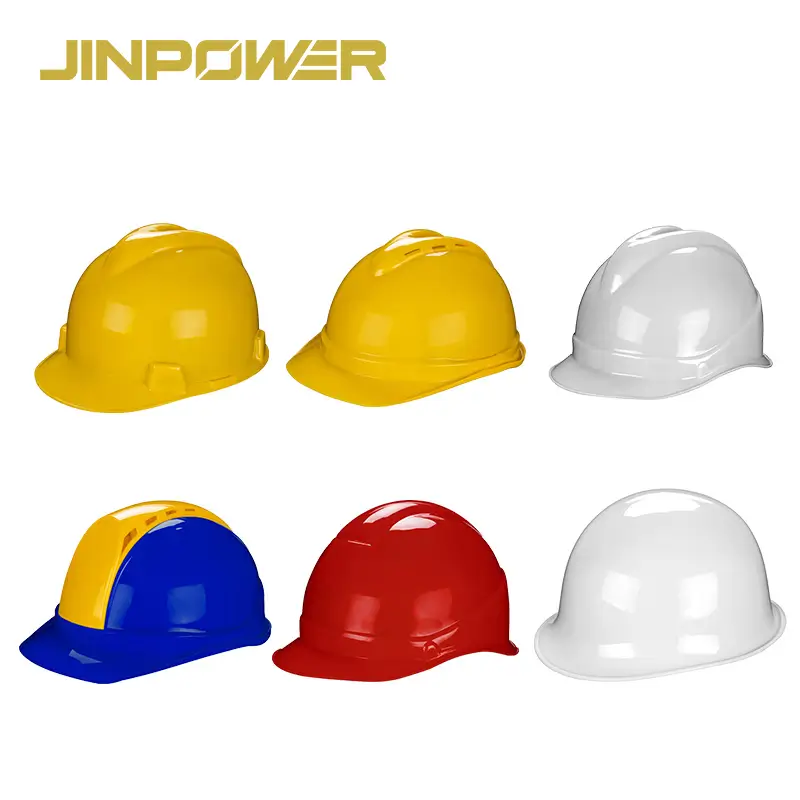
Safety Helmets & Face Protection.
ABS/FRP shells with dial adjusters; clear/tinted visors, head-lamps, proximity alarms, and chin-strap options for switching and service work.
Insulating Sleeves.
Seamless coverage with gloves in tight cabinets and busbar windows; knit cuffs or roll-on seals to prevent creep.
Arc-Rated Clothing (CAT 2 / CAT 4).
Layered shirts, coveralls, jackets, and hoods that balance mobility and protection; pair with arc-rated face shields as required by the job plan.
Insulated Tools (VDE/IEC 60900).
Screwdrivers, pliers, cutters, sockets, and torque drivers with dual-layer insulation and slim shafts for cabinet access; modular roll pouches.
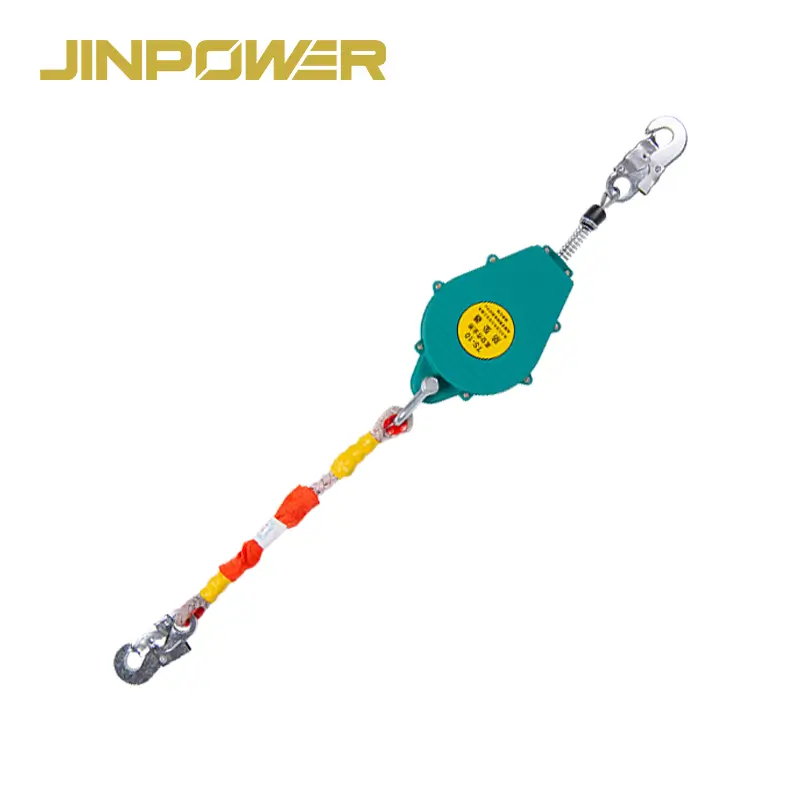
Lineman Safety Gear.
Belts, lanyards, SRLs, and pole-positioning accessories designed for utility structures and winter-glove handling.
Insulating Mats & Blankets.
EVA and rubber, sheet or roll formats, smooth or textured; dedicated clips and reinforced edges for fast, stable cordons.
Ready-to-Deploy PPE Kits.
Substation, overhead line, and service kits configured by task, crew size, and budget for rapid, consistent issuance.
Standardization & Traceability.
Batch CoC and test summaries, serialized labels; unified color/branding/packaging with barcode/QR to your corporate spec.
Not sure how to combine for your sites? Share voltage ranges, typical tasks, and headcount—we’ll map a tailored kit bill, quote, lead time, and a replenishment plan for consistent execution across depots.
lectrical PPE Kits — Configured by Task, Ready to Deploy
Substation Maintenance Kit (CAT 2 baseline)
Built for inspections, racking, and switching in controlled bays.
- Core PPE: Insulating gloves (Class 00/0 with leather protectors), dielectric boots, insulating helmet, sleeves, CAT 2 daily-wear.
- Add-ons: Clear/tinted face shield, proximity alarm, insulating mats/blankets for spot shielding.
- Why it works: Covers the routine substation job plan with light, comfortable gear crews will actually wear.
Overhead Line Kit (CAT 2 / CAT 4 options)
For pole/tower work and feeder restoration where exposure varies.
- Core PPE: Higher-class gloves (Class 1–2), climbing belt + SRL, helmet with chin strap, dielectric boots.
- Live-line support: Hot sticks, line covers, insulating blankets; choose CAT 2 or CAT 4 outerwear per incident energy.
- Why it works: Scales from patrols to energized proximity tasks without overloading the crew.
Switchgear Service Kit (Compact, cabinet-focused)
Optimized for panels, MCCs, and indoor troubleshooting.
- Core PPE: Class 00 gloves, overshoes, insulating helmet, sleeves, VDE/IEC 60900 tool roll.
- Add-ons: Fold-up face shield, compact insulating mat, lamp mount.
- Why it works: Everything fits in one case; fast don/doff for tight rooms and frequent moves.
Kitting options
- Crew sizing: 1-, 3-, and 5-person variants with spares (liners, protectors, straps).
- Branding: Logo/role colors, barcode/QR, packaging to your SOP.
- Documents: Batch CoC, test summaries, and a kit bill for audits.
- Replenishment: Pre-approved reorder list and SKU mapping to keep depots consistent.
Not sure which kit matches your sites? Share voltage ranges, typical tasks, and headcount—we’ll lock a kit bill, quote lead time, and align documentation for approval.
Compliance & Ratings Mapping — Task → Minimum PPE
Use a simple rule: map the task and exposure, then select the lowest compliant set. We align kits and single SKUs to common utility procedures; final selection follows your site’s JHA and standards.
| Task / Environment | Minimum Shock PPE | Arc Exposure | Clothing Category | Add-Ons |
|---|---|---|---|---|
| Switchgear inspection, racking (controlled bay) | Gloves Class 00–0, dielectric boots, insulating helmet, sleeves | Low/managed | CAT 2 daily wear | Clear visor, compact mat/blanket |
| Substation switching & testing (MV) | Gloves Class 0–1, boots, helmet + chin strap | Moderate | CAT 2 baseline | Proximity alarm, face shield |
| Feeder restoration near energized parts | Gloves Class 1–2, boots | Variable | CAT 2 / CAT 4 per study | Hot sticks, line covers, blankets |
| Overhead line patrol with potential contact | Gloves Class 1, boots | Low | CAT 2 | SRL/belt, sleeves |
| Cabinet/MCC service (LV) | Gloves Class 00, overshoes, helmet | Low/managed | CAT 2 | VDE tool roll, small mat |
| Live-line proximity tasks (permitted) | Gloves Class 2–3, boots | Elevated | CAT 4 where required | Sticks, covers, insulating blankets |
Guidance
- Glove class follows system voltage and approach distance; add leather protectors per practice.
- Clothing category is set by your incident energy analysis (NFPA 70E/IEC 61482). When in doubt, escalate.
- Live-line tools and insulating mats/blankets reduce inadvertent contact; they do not replace arc-rated PPE.
- Standardize colors, labeling, and documentation (CoC + test summaries) across depots to simplify approvals and audits.
Share your task list and voltage ranges—we’ll return a mapped bill of PPE that meets policy while controlling carry weight and cost.
Testing & Traceability — Documents You Can File Without Friction
What ships with every batch
- Certificate of Conformity (CoC) mapped to PO/part number, model, and revision.
- Test summaries by category (e.g., gloves Class 00–4 per method set, dielectric boots outsole resistance, helmets impact/insulation, clothing arc rating on file).
- Serialization & lot IDs on individual items and cartons; barcode/QR ready for your asset system.
- Label set with usage scope, storage/retire notes, and re-test reminders where applicable.
Optional third-party and deep
- Independent test reports available (by accredited lab) for tender or onboarding.
- Material declarations and change-control notices for long-term framework agreements.
- Calibration certificates for instruments supplied within kits (e.g., proximity alarms), when included.
Incoming inspection playbook (fast acceptance)
- Verify labels & IDs: class/category, size, and lot match the packing list.
- Spot-check fit & finish: glove cuffs, boot outsoles, helmet suspensions, garment stitching.
- Validate documents: CoC + test summary present; archive PDFs to your share drive.
- Record re-test cycles for re-inspectable items (e.g., gloves) in your CMMS/ERP.
How we keep it traceable
- Digital pack: we provide a single ZIP (CoC, test summaries, label map) per shipment; mirror copy on request.
- Issue response: non-conformance hotline with 24-hour containment and 5-day corrective report.
- Revision control: any spec change (materials, marking, packaging) triggers a red-lined sheet and customer sign-off.
A paper trail that satisfies audits, speeds warehouse intake, and keeps fleet PPE visible from requisition to retirement.
OEM / ODM & Supply — Brand, Package, Deliver at Scale
Private label made simple. We align your brand guide to every PPE line: colorways, logo placement, role badges, and warning labels. Artwork is proofed once, then locked as a master spec so replenishment stays consistent across depots.
Packaging & IDs. Unit cartons and master cases carry synchronized : SKU, size/class, lot/date, and barcode/QR for your ERP/CMMS. Kitted SKUs (e.g., substation/overhead/service) ship with a printed kit bill inside the lid for fast audit.
Documentation pack. Each shipment includes a digital bundle (CoC, test summaries by category, label map, packing list). For tenders and onboarding, we can add accredited third-party reports and material declarations under change control.
MOQ & lead time. Clear brackets for bulk: typical MOQs per category with 20–30 day lead times after artwork sign-off. For urgent rollouts, we keep baseline colorways and sizes on a quick-start schedule and phase in private label on the next cycle.
Global delivery. EXW/FOB/CIF/DDP options with consolidated loads for multi-site deployments. Export docs, HS codes, and country-specific labeling handled up front to avoid hold-ups at the border.
Quality & revision control. Any change in materials, markings, or packaging triggers a red-lined sheet and customer approval. Non-conformance response includes 24-hour containment and a 5-day corrective report.
Program setup (fast).
- Share target tasks, sites, and volumes.
- We map kit bills and single SKUs to your standards.
- Approve artwork and documentation set.
- Pilot shipment → scale to fleet rollout.
A dependable PPE supply program—branded, documented, serialized, and ready for audit—without creating extra admin for your team.
Buying Guide — Choose Once, Standardize Everywhere
1) Start with the task & voltage.
Map jobs to shock exposure first. Cabinet/MCC service → Class 00–0 gloves. Substation switching → Class 0–1. Feeder restoration/overhead proximity → Class 1–2. Align with approach distances and your work permits.
2) Set the arc category by incident energy.
Daily operations typically run CAT 2; escalate to CAT 4 where the study or procedure requires it (switching, clearing, or high IE tasks). Keep a small stock of CAT 4 outerwear at critical sites.
3) Pair garments and face protection.
Arc-rated clothing must be paired with compatible face shields/hoods. For non-arc tasks in controlled bays, use insulating helmets with clear/tinted visors as your standard set.
4) Build hand–arm continuity.
Select matching sleeve class so glove cuffs overlap without gaps. Standardize two glove sizes per crew (e.g., 9/11) and include liners and leather protectors in every issue.
5) Footwear for the floor you stand on.
Substations and wet yards → dielectric boots with slip tread. For visitors/contractors, stage overshoes at access points to speed compliance.
6) Tools: VDE vs. live-line.
Panels/cabinets → VDE/IEC 60900 insulated tools. Proximity to energized overheads → live line tools (hot sticks, covers, blankets). Tools complement PPE; they don’t replace it.
7) Kits reduce variance.
Adopt three kit archetypes (Substation / Overhead / Service). Lock a master bill with SKUs, sizes, and re-test cadence so depots reorder identically.
8) Documentation & traceability.
Require CoC + test summaries per shipment; serialize units and cartons (barcode/QR). Preload your CMMS with re-test intervals for gloves and SRLs.
9) Train for don/doff and inspection.
Issue one-page checklists: glove inflation test, helmet suspension check, boot outsole inspection, clothing condition and labeling. Short, repeatable drills prevent misuse.
10) Plan replenishment and spares.
Define par levels per site. Stock spare liners, protectors, visors, and strap sets; schedule quarterly reviews to adjust sizes and categories by crew feedback.
Send us your task matrix and voltage bands—we’ll return a mapped PPE list, kit bills, and a rollout plan that balances safety, weight, and total cost.
Live-Line Tools & High-Voltage Gear — Coordinate with PPE
Hot sticks (operating & rescue).
Telescopic/sectional FRP sticks for switching, fuse handling, measurement, and rescue. Dielectric surface and anti-slip grips support energized proximity tasks. Pair with hooks, cutters, testers, and rescue heads.
Line covers & insulating blankets.
Phase and hardware shielding where accidental touch is the primary risk. EVA/rubber options; sheet for spot shielding, roll for long runs. Use dedicated clips; these reduce contact risk but do not replace arc-rated PPE.
Insulating mats & switchroom flooring.
IEC/ASTM-aligned mats for switchboards, test bays, and racking lanes. Specify thickness/grade by voltage class and foot traffic; add beveled edges for trip reduction.
Grounding & short-circuiting kits.
Portable earthing sets (clamps, leads, sticks) sized to fault duty. Use to create visible grounds and de-energized work zones; maintain clamp condition and torque per schedule.
Proximity alarms & test instruments.
Wearable near-electric alarms and non-contact testers for approach control. Calibrate on schedule and record in the same pack as PPE re-tests.
Storage & issue discipline.
Sticks in capped tubes, blankets loosely rolled, mats flat or on racks, gloves in moisture-safe cans. Assign serials; log inspections alongside PPE so tools and garments age together.
Selection notes
- Cabinets/panels: VDE tools + Class 00–0 gloves + compact mats/blankets.
- Substations: operating sticks + Class 0–1 gloves + mats along racking lanes.
- Overhead: sectional/telescopic sticks + line covers/blankets + Class 1–2 gloves, with SRL/belt for climbing.
Share your task list and voltage bands; we’ll propose a matched tool + PPE bundle that keeps crews within procedure while minimizing carry weight.
Comparison — Choose the Right Level, Tooling, and Kit
| Decision | Option A | Option B | When to choose |
|---|---|---|---|
| Arc protection | CAT 2 clothing | CAT 4 clothing | Daily switching/diagnostics (CAT 2); high incident energy tasks per study (CAT 4). |
| Hand protection | Gloves Class 00–0 | Gloves Class 1–2 | LV cabinets/service (00–0); MV substations/overhead proximity (1–2). |
| Tools for cabinets | VDE/IEC 60900 tools | Live-line sticks/covers | Panels/MCCs: VDE; overhead proximity or reach tasks: live-line gear. |
| Footwear | Overshoes | Dielectric boots | Visitors/short stays: overshoes; crews/wet yards: dielectric boots. |
| Head/face | Insulating helmet + visor | Arc-rated hood/shield | Non-arc environments: helmet/visor; arc-hazard tasks: arc-rated headgear. |
| Deployment mode | PPE kits | Single SKUs | Multi-site standardization: kits; niche replenishment: single SKUs. |
Start with your job plan and incident energy. Lock the minimum CAT and glove class, then add footwear, head/face, and tools to match environment and duration. Standardize via kits to keep depots consistent.
FAQ
Move from plan to field
Send your task matrix, voltage bands, crew count, and branding guidelines. We’ll return a mapped kit bill, quote, lead time, and a rollout plan that standardizes electrical PPE across sites with clean documentation.


 Hrvatski
 Čeština
 Dansk
Dansk Nederlands
 Filipino
 Français
 Deutsch
 Italiano
 日本語
日本語 Қазақ тілі
 ភាសាខ្មែរ
 한국어
한국어 Кыргызча
 ພາສາລາວ
 Монгол
 فارسی
فارسی Polski
 Português
 Română
 Русский
 Slovenščina
 Español
 Kiswahili
 ไทย
ไทย Українська
 Tiếng Việt
 English